
There’s no avoiding christmas. Reminders are everywhere. Seasonal songs in the shops. Supermarkets aisles just for chocolate. It’s harder to park and checkout queues are, well… a pain in the proverbial.
Social pressure forces participation in this consumer-fest but I’ve spent the last few years trying to avoid it. For too many people, the phrase ‘happy christmas‘ has become an oxymoron!
Christmas is not only expensive when money is tight, the so called festive season also has negative consequences.
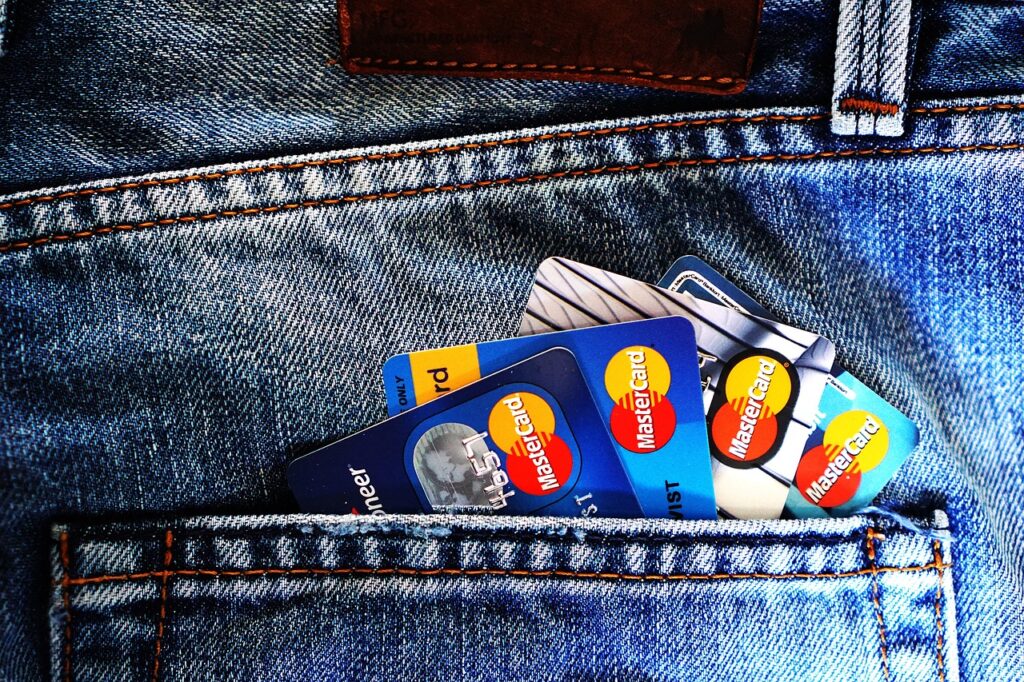
The third week of January is called the most depressing time of year. Not only is the weather usually wet and cold, our credit card bills remind us how much we spent in December.
January is also when most divorce proceedings begin and calls to domestic abuse helplines increase.
The mental health charity Mind reminds us of the downsides or google the phrase ‘what gets worse at christmas’ to wonder – if you haven’t done so already – why we bother.
Bah humbug I hear you thinking – christmas is wonderful, it’s when family get together.
True, but maybe there’s a reason families don’t meet up more often. Blood doesn’t always equate to love and travel can be horrendous. Motorways clog. Public transport lets us down.
The media pushes images of perfection and those who prefer routine, or live alone on fixed incomes, get fearful.
Christmas nearly always results in overload and too much of a good thing loses the magic, while pressure to spend n’ party can reinforce existing problems.
What went wrong?
Lets talk christmas…
The name derives from the Old English cristes mæsse, or christ’s mass. Initially it was a roman catholic tradition where christians celebrated the birth of jesus before becoming the key festival for all christians. Yet church attendance is on a steady decline. Faith surveys during the last decade show only 28% of participants believe in god, or a higher spiritual power, while Church Statistics found membership has declined from 10.6 million (1930) to 5.4 million (2013), with a predicted fall to 2.53 million by 2025.
The covid lockdowns didn’t help.
Breaks in routine often result in habits getting lost (I never did get back to the gym!) and in 2021, the UK census showed christianity has become a minority religion. Less than half the people in England and Wales consider themselves christian.
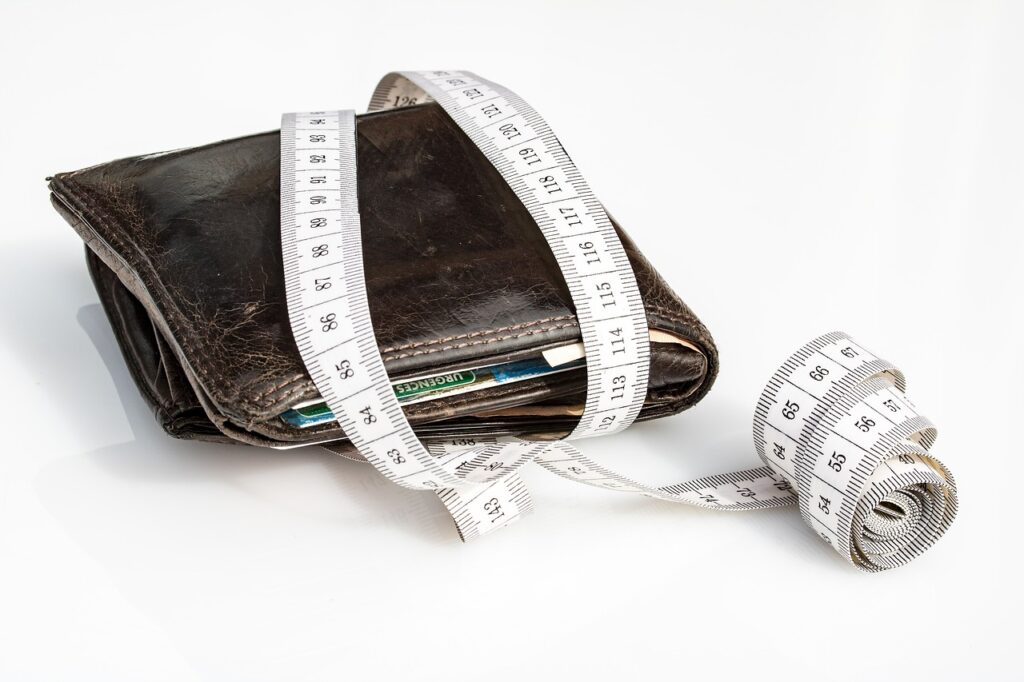
Yet christmas begins earlier every year while the cost of living continues to rise.
In 2021-22, 14.4 million people in the UK were classed as living in poverty. Figures for 2022-23 include 4.3 million children. For more information, the Joseph Rowntree Charitable Trust produce excellent reports although it was interesting to read they cite pensioners as having the lowest rates of poverty.
12.6 million live on the state pension. Being retired from full-time employment, this is something I know a bit about and I think the figures are misleading. I know plenty of pension age people who struggle financially.
However, I’m lucky. My closest family are not really into christmas. We swap presents and get together but I’m not faced with excessive pressure to spend.
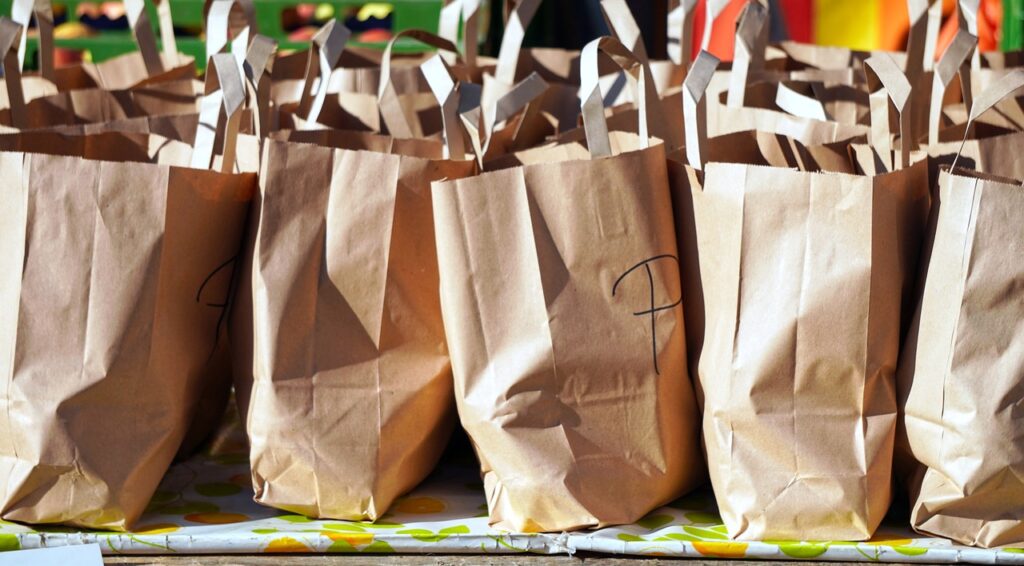
Christmas is separating from christianity while the gap between economic comfort and distress is widening. Yet we continue to be pushed to conform and seen as miserable if we don’t decorate our homes or do other christmassy things.
Bah humbug!
In my own way, I actually like christmas although I do it differently.
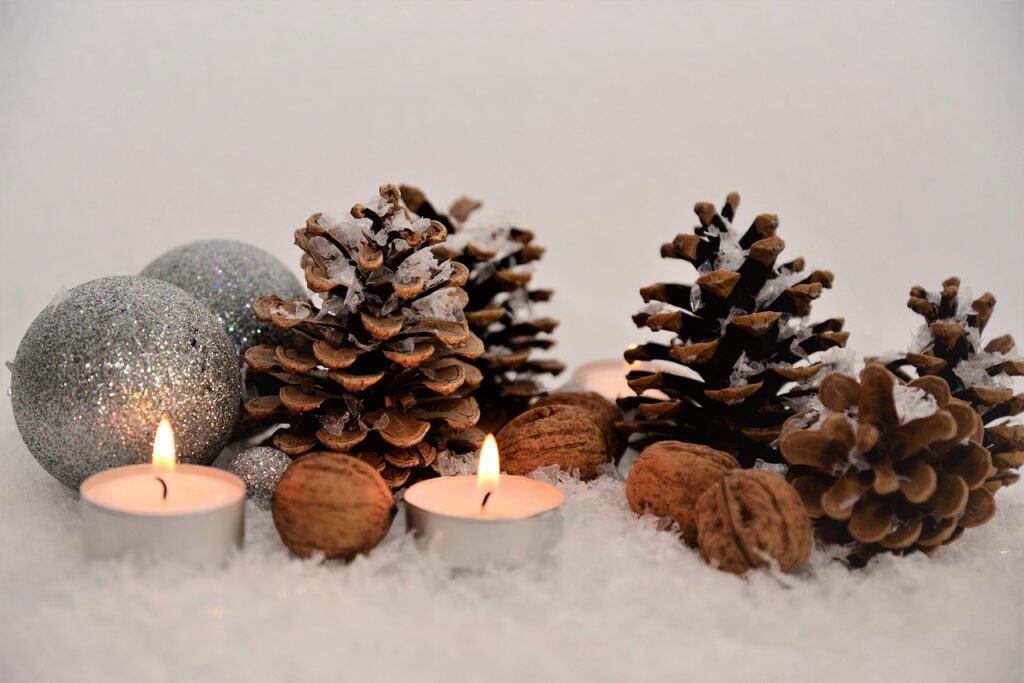
Before Covid, I often spent christmas day on the beach but it’s one of those habits (like the gym!) which I never got back to. These days, I use christmas to read, write, watch films and listen to music but my christmas begins with a winter solstice ritual when I light candles and raise a glass to the past year while thinking about next one.
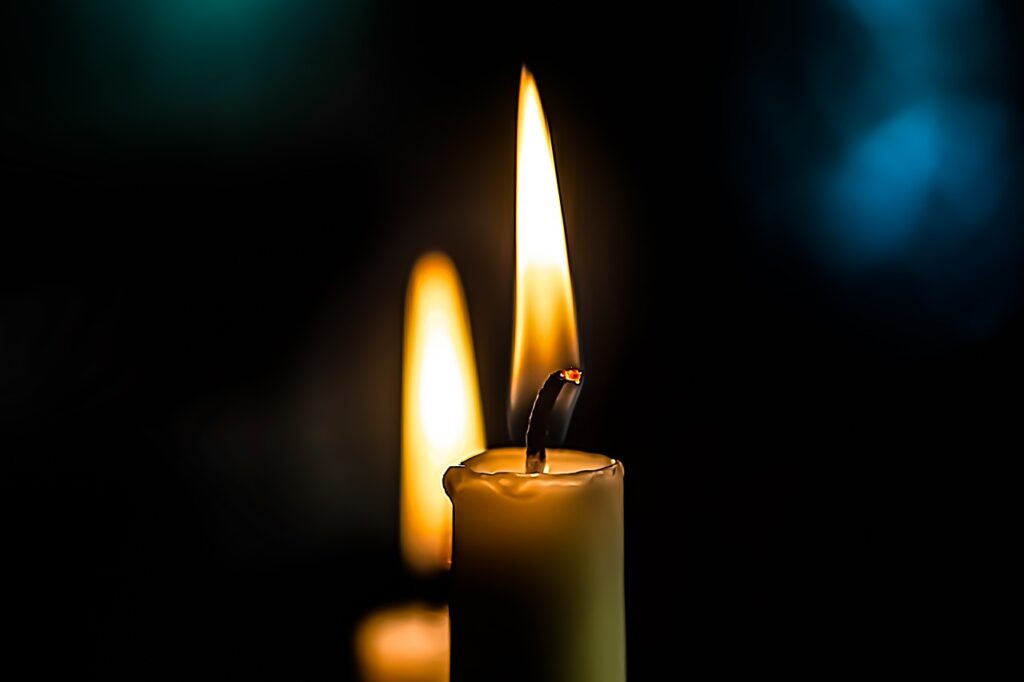
Winter solstice has been celebrated for much longer than christianity.
Many standing stone circles and barrows (like Stonehenge and Newgrange) are aligned to the sun on both the summer and winter solstices, alongside dozens of ancient stone buildings across the world.
For millenia, people have watched and followed the sun.
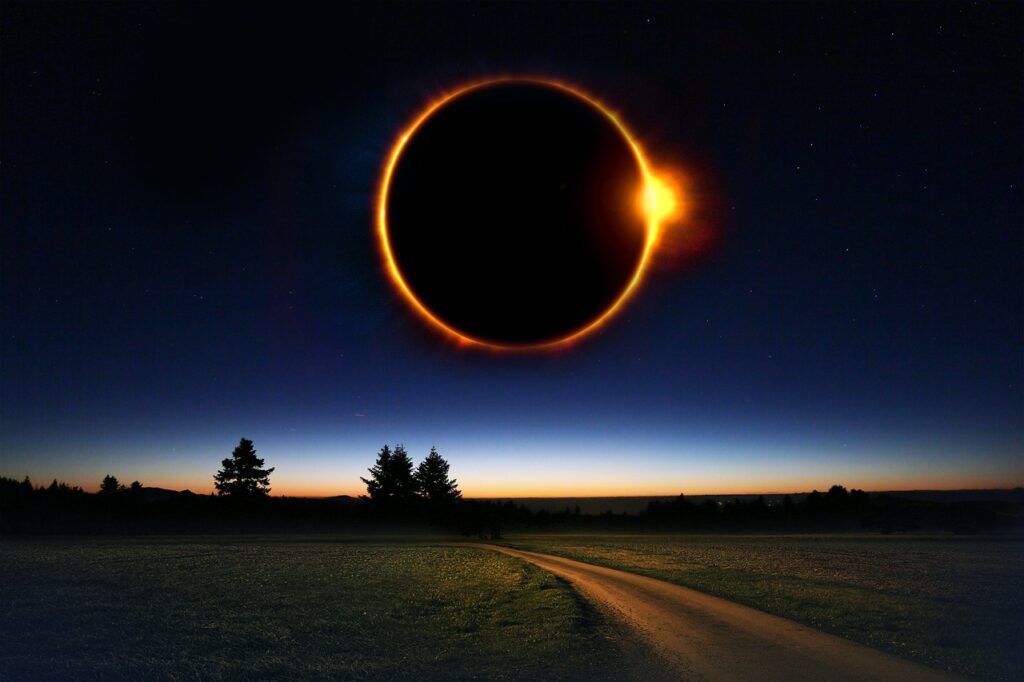
If you’ve watched a solar eclipse, you’ll know how cold it gets when the moon passes over. It’s an instant and uncontrollable reminder of how we’re dependent on the sun for both light and warmth.
Celebrating the sun, alongside other mysteries of the natural world, has always made sense to my pagan heart, but in current times, with rainforests being destroyed and oceans polluted with plastic (and much worse) we’re long overdue a return to older ways.
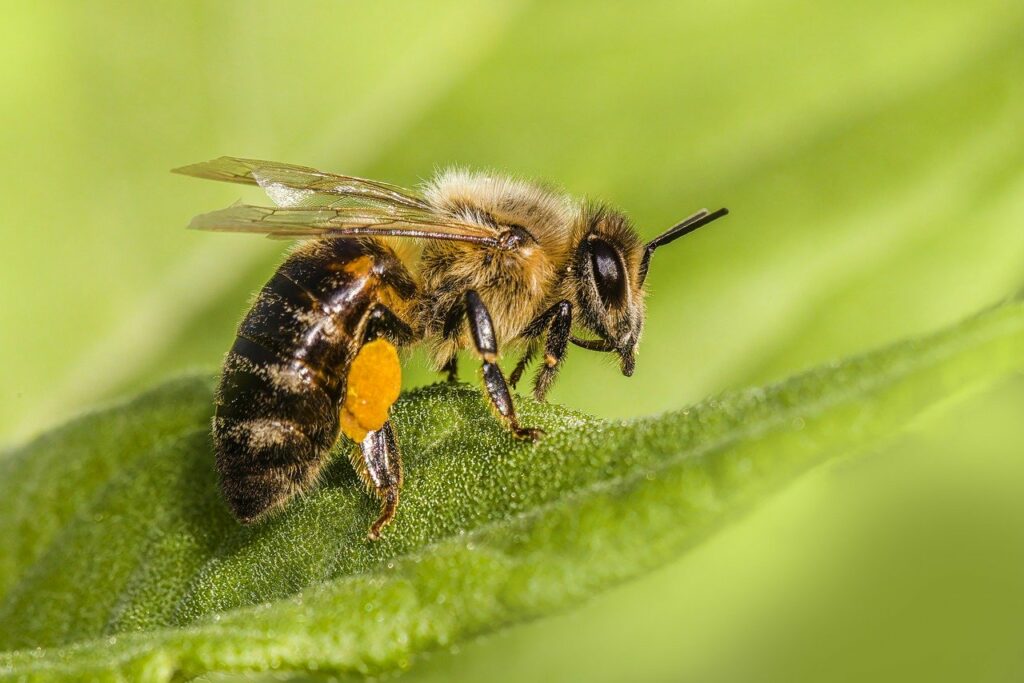
We need to appreciate the beauty of nature and care for the environment.
Anyone who gardens or keeps bees will recognise how seasons have changed. We rely on pollination for food yet insects and bees are declining. A recent article in the Guardian says residues of 48 pesticides, many harmful to bees and not allowed in the UK, have been found on imported foods such as potatoes, peas and grapes.
It’s getting harder to trust the food we need to survive.
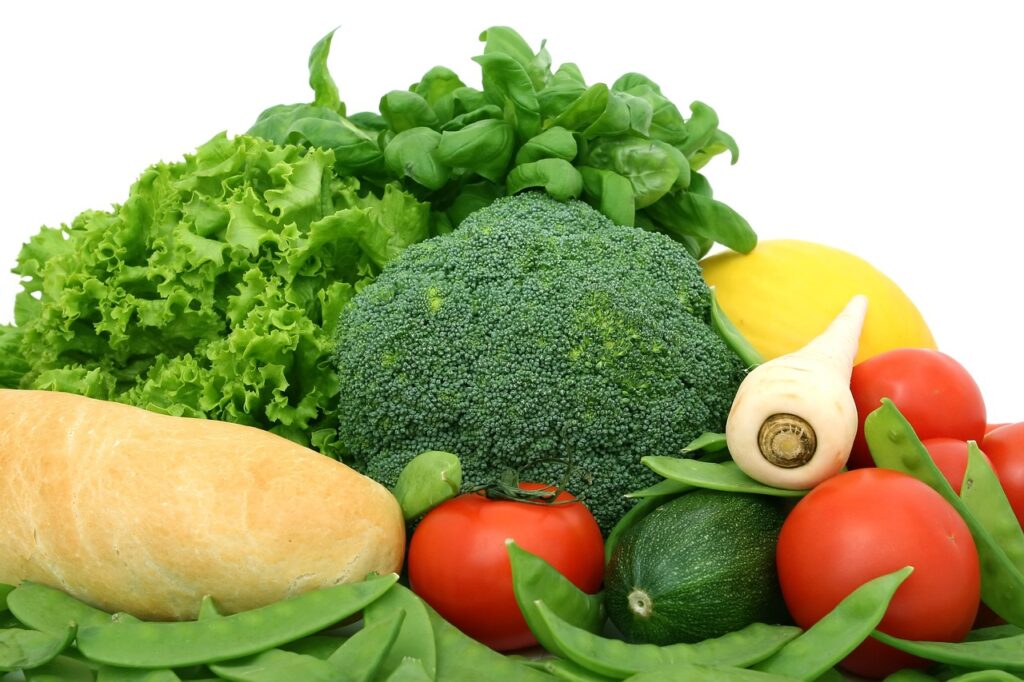
Christmas is a time when we do things in excess. Adverts push christmas as an excuse for eating but what we see on our screens is often ready made and bad for health, as well as our waistlines.
There’s been some useful research into the potential danger of ultra processed food, full of chemicals and additives. Chris van Tulleken is good to read and his documentary Irresistible: Why We Can’t Stop Eating well worth watching.
Not only are we messing with the planet, it’s also getting harder to find food that fuels rather than poisons us.
Eating disorders are on the rise. In 2022, Research from the Royal College for Psychiatrists claimed hospital admissions for eating disorders increased by 84% in the previous five years while a Children’s Commissioners report shows significant rise in the number of young people with a similar diagnosis.
Today, the quantity and quality of easily available food is causing a range of serious issues.
We live in difficult times both globally and personally. Problems with individual mental health are prevalent and christmas is a perfect storm where everything comes together, both on the surface and internally.
The christmas message is supposed to be one of hope, love, and peace but the reality for many people this year will be strained finances alongside exacerbation of a range of stresses.
It doesn’t have to be like this.
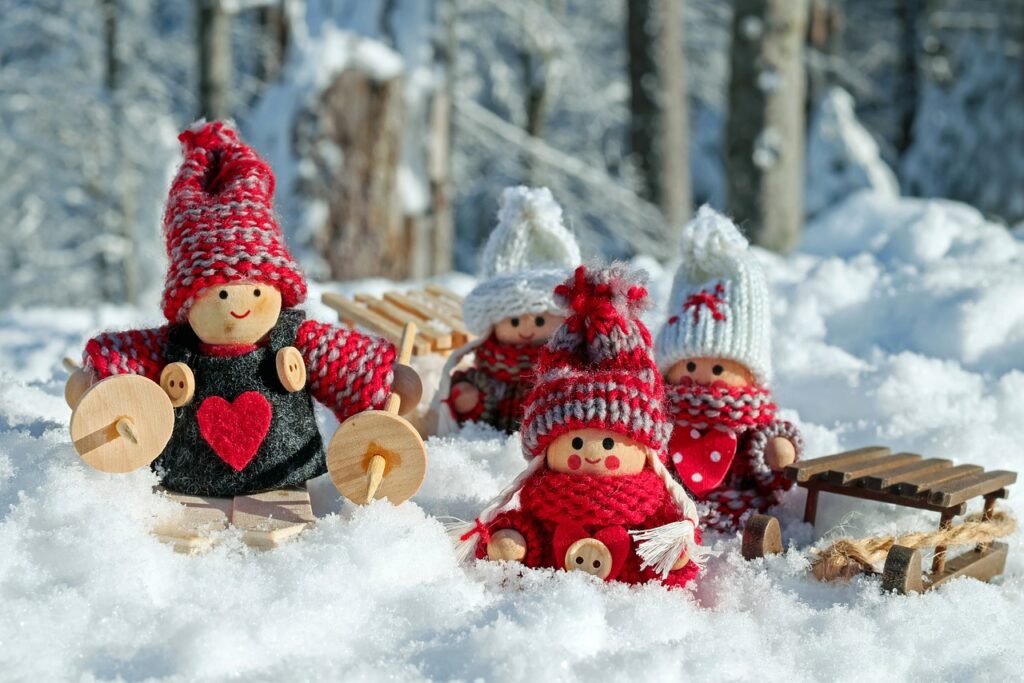
It doesn’t matter if you’re not a practising christian, we can still take the best of christmas and reject some of the mass consumerism which taints it.
We all want to get together with our favourite people, or if we live alone, to be warm and dry with a nice meal. It’s possible to have a good time without excess. Isn’t it?
What do you think?
Let me know in the comments below…
all images from https://pixabay.com/